Cleaning a lake in a protected area
Lake сleaning: surveys before works
Before beginning any pond cleaning work, it is necessary to obtain a complete understanding of the scope of the work, the presence of pollutants and debris, and any overgrowth and swamping.
To do this, we conduct site surveys: We determine
1. The coordinates of the area to be cleaned, comparing them with the photos in the technical specifications.
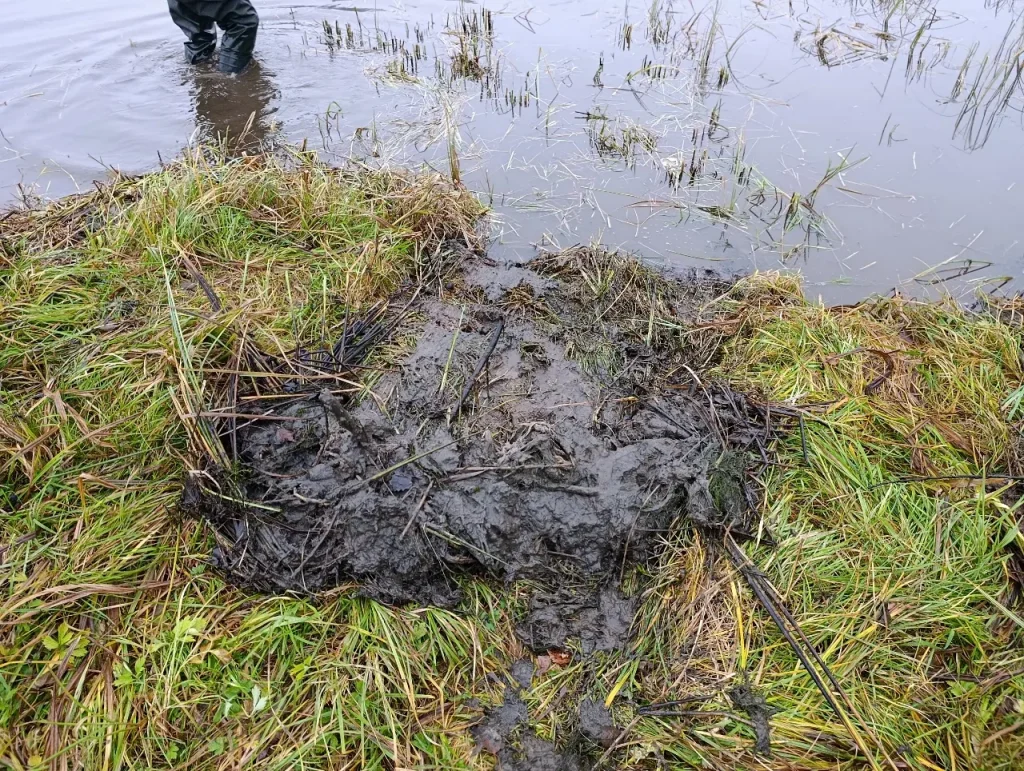
2. We visually determine the pollution and the presence of debris and excess aquatic vegetation (algae and plants such as reeds, cattails, sedges, and willow thickets on the shore).
3. We take photographs and video to obtain evidence of the actual condition of the pond prior to the lake cleaning.
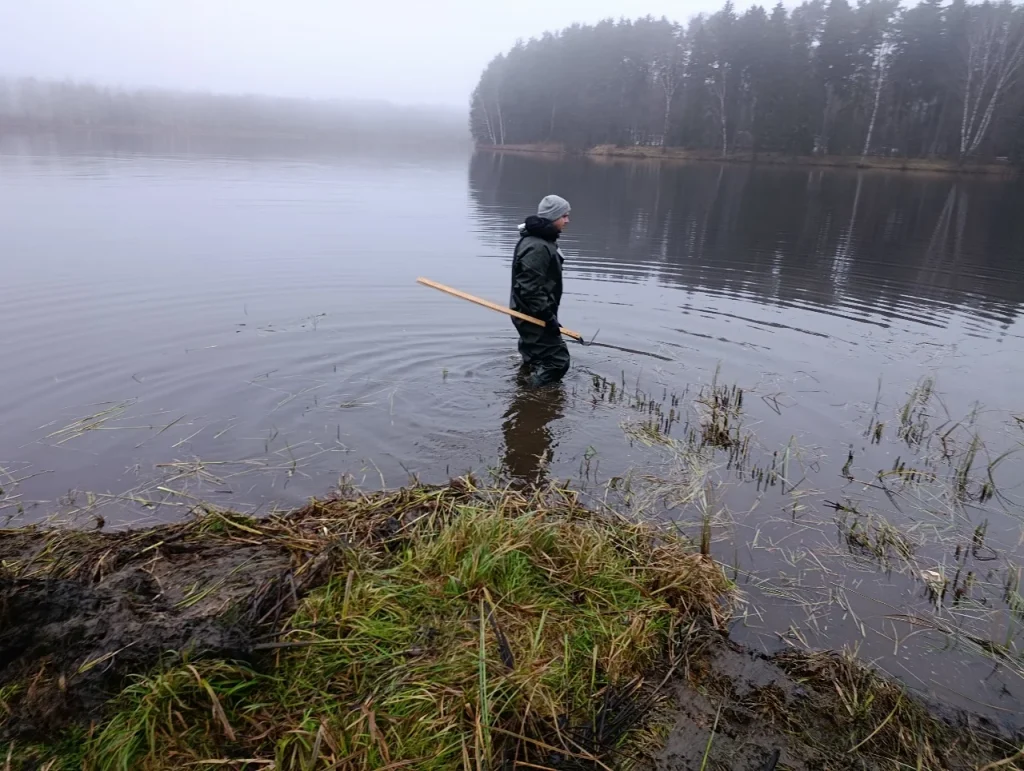
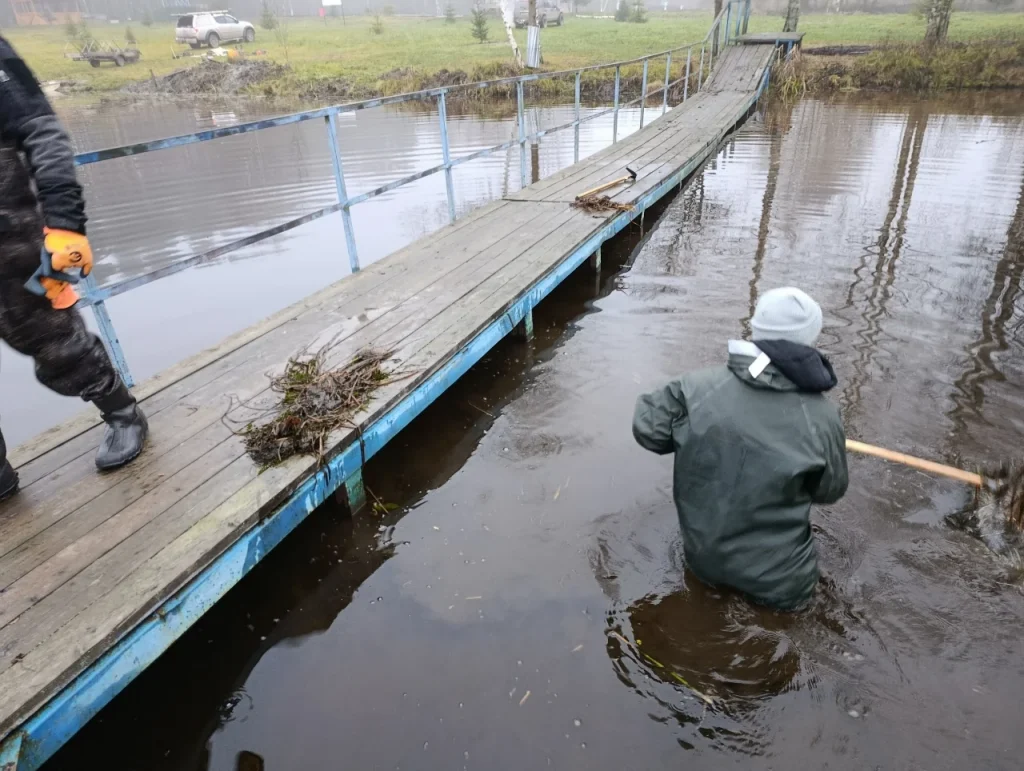
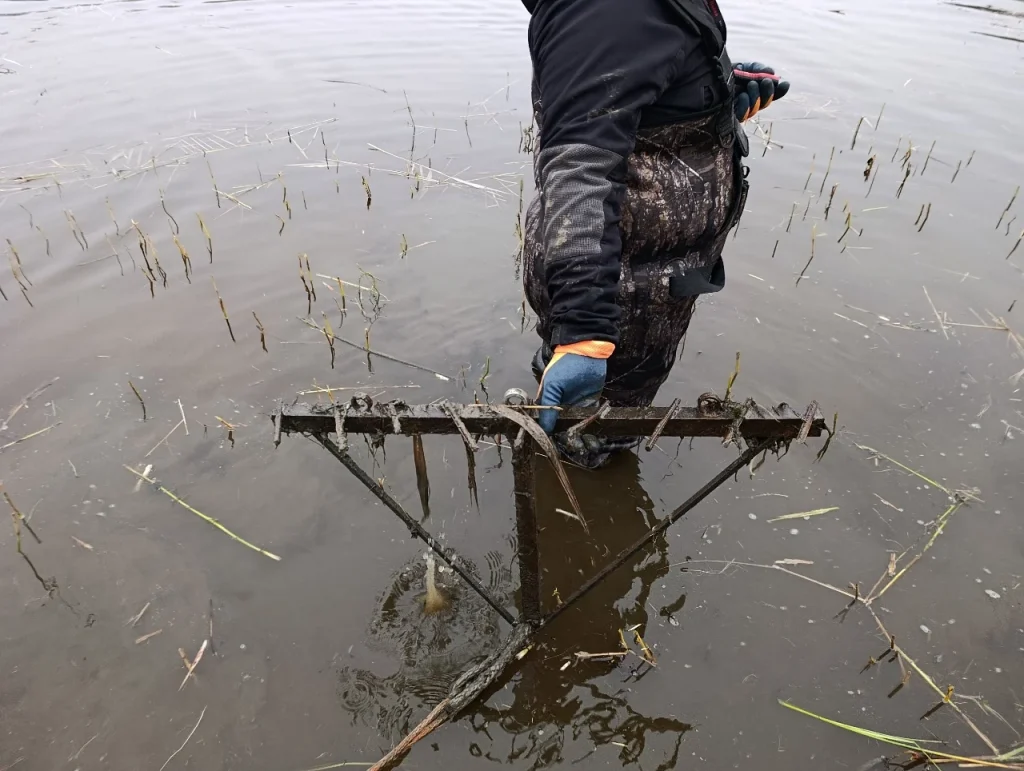
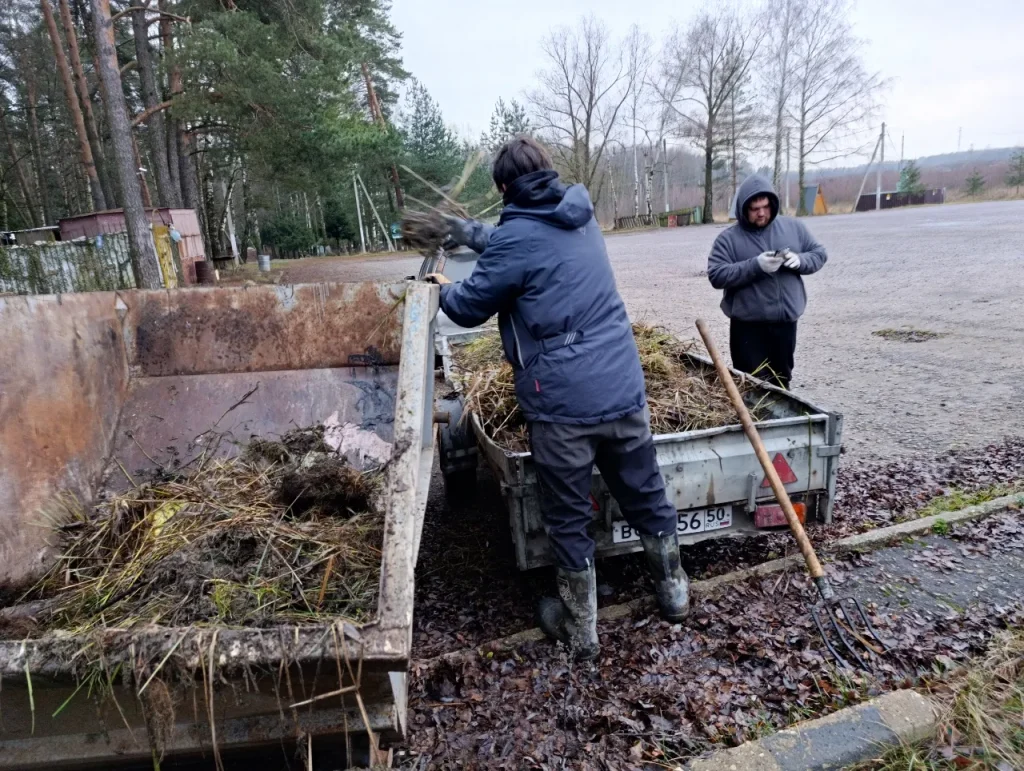
All this data is compiled into a work plan. A key feature of the plan is that the lake is protected as a natural recreational site with regulations prohibiting the use of heavy equipment and machinery. This means that all cleaning work is performed manually using tools and manual mechanization. This is a specific requirement for cleaning a body of water in a protected area, such as a nature park or reserve.
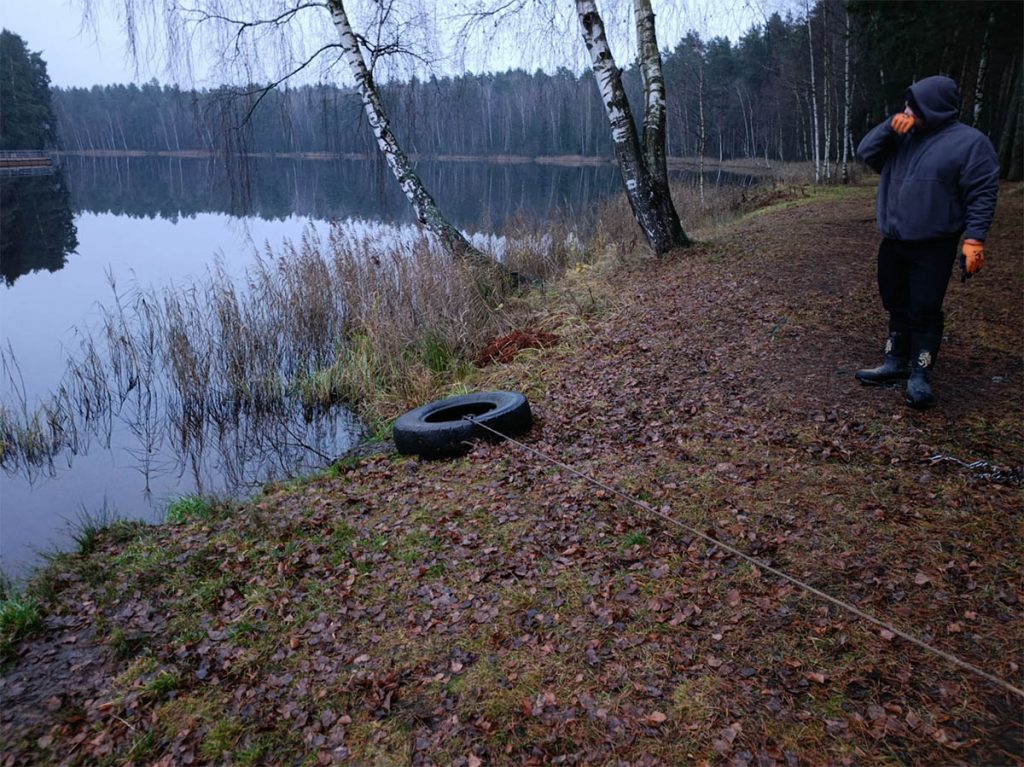
It is necessary to clear excess vegetation from an area of approximately 2,000 square meters near the pedestrian pier, and remove all possible debris, including tires, sunken branches and logs, glass and plastic items, and metal debris.
Full service with ponds, lakes, rшver survey and cleaning works in lake as works example